
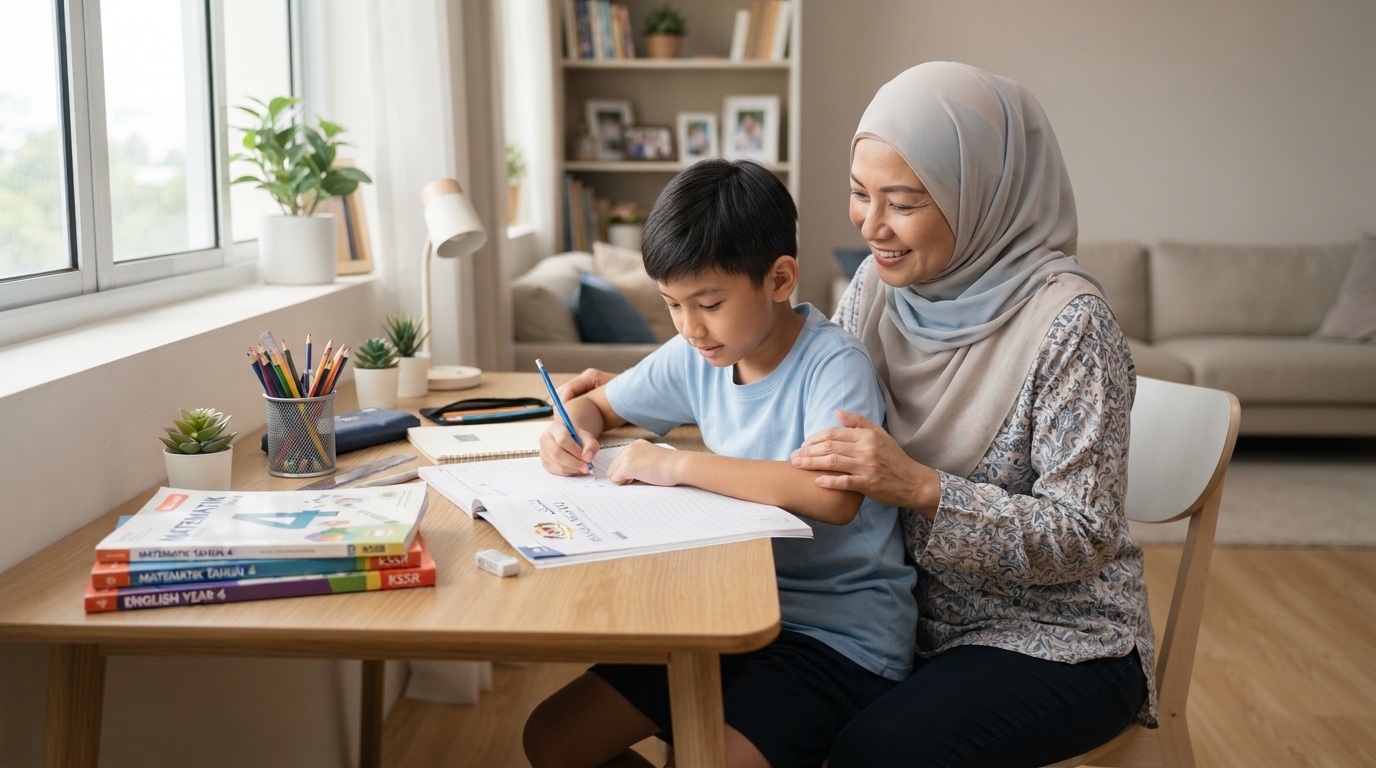
5 Simple Ways to Help Your Child Develop Better Study Habits
Good study habits can make a big difference in a child’s learning journey. While every child learns differently, having a consistent routine and a supportive home environment can help children become more confident, independent learners.
As parents, you don’t need to be an expert in every school subject. Small, everyday actions can go a long way towards helping your child develop positive learning habits.
Here are five simple ways to get started.
1. Create a Consistent Study Routine
Children often benefit from having a regular time for homework and revision.
Choose a suitable time when your child is well-rested and able to concentrate. For some children, this may be after a short break from school, while others may prefer studying in the early evening.
Parent tip: Start with manageable study sessions and include short breaks. Consistency matters more than studying for long hours.
2. Set Up a Comfortable Learning Space
A suitable study environment can help reduce distractions and improve concentration.
You don’t need an expensive study desk or a separate study room. A clean, well-lit corner with enough space for books and stationery can work just as well.
Try to keep unnecessary distractions, such as television and mobile games, away during study time.
Parent tip: Encourage your child to prepare their textbooks, exercise books and stationery before starting.
3. Break Big Tasks into Smaller Goals
Large assignments or several subjects to revise can sometimes feel overwhelming.
Help your child break their work into smaller, achievable tasks.
For example, instead of saying, “Study Mathematics today,” try setting a clearer goal such as “Complete five Mathematics questions and review the answers.”
Completing small goals can help children build confidence and stay motivated.
Parent tip: Use a simple daily checklist so your child can see their progress.
4. Encourage Active Learning
Reading the same notes repeatedly isn’t always the most effective way to remember information.
Encourage your child to try different learning methods, such as:
- Explaining what they have learned in their own words.
- Practising questions without looking at the answers.
- Creating simple mind maps or summaries.
- Using flashcards to review important facts.
- Teaching a concept to a parent or sibling.
These activities encourage children to think about what they have learned instead of simply memorising information.
Parent tip: Ask your child, “Can you explain what you learned today?” rather than only asking whether their homework is finished.
5. Celebrate Effort, Not Just Results
Good study habits take time to develop.
Instead of focusing only on examination marks, recognise your child’s effort, improvement and willingness to learn.
Simple encouragement such as “I noticed you worked hard on that question” can help children feel supported.
When your child makes a mistake, treat it as an opportunity to learn rather than something to fear.
Parent tip: Celebrate small improvements, such as completing homework independently or showing greater confidence in a difficult subject.
Small Habits, Big Progress
Helping your child develop better study habits doesn’t require complicated schedules or expensive learning tools.
A consistent routine, a comfortable study space, achievable goals and positive encouragement can make learning more manageable and enjoyable.
Remember, every child progresses at their own pace. The goal is not simply to achieve better marks, but to help children develop the confidence, discipline and curiosity to become lifelong learners.
Pustaka Rakyat Parent Guides — Supporting Malaysian families throughout their children’s learning journey.
